How to Get a D2C Brand Referenced by ChatGPT and Other AI Assistants (2026 Guide)

Nov 05 | 2026
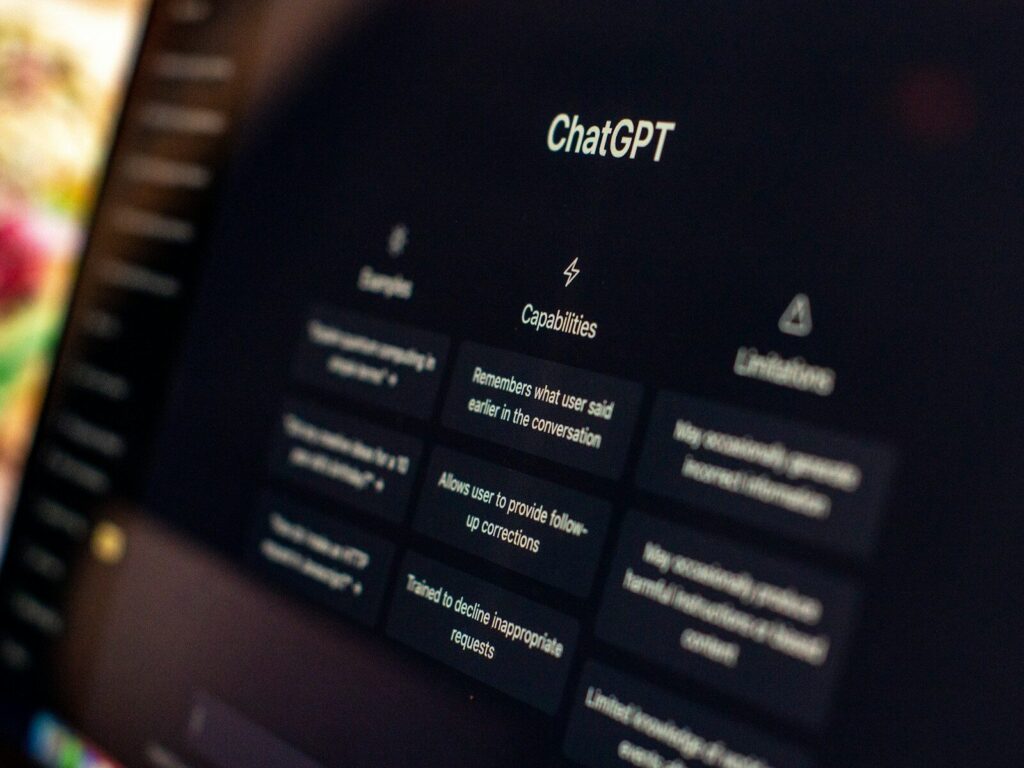
Photo by Emiliano Vittoriosi
Short answer: AI assistants mention the brands they see described clearly and often, on pages they already trust. To get a D2C brand referenced, make your own site easy to quote, then get covered in the third-party reviews and “best-of” lists the engines cite. Expect it to take 2-3 months of steady coverage, not a single post.
What is GEO? Generative engine optimization (GEO) is the work of getting a brand mentioned, recommended or cited inside answers from ChatGPT, Perplexity, Gemini, Claude and Google AI Overviews.
Why smaller D2C brands start behind
A June 2026 study of more than 100,000 AI answers across 100+ brands found household names appeared in 73% of relevant answers on first check, mid-market brands in 44%, and niche brands in just 11% (Kumar, 2026). The same study found ranked “best-of” listicles were the most-cited content format, at about 21% of citations. Earlier research found that adding sources and statistics to a page lifted its visibility in AI answers by up to 40% (Aggarwal et al., 2024).
Work through the steps below, or reach out to GeistM today here to learn more.
7 steps to get your brand referenced
- List the questions your customers ask AI. Write 20 prompts across three types: category (“best joggers for travel”), comparison (“Vuori vs Lululemon”) and value (“is Vuori worth it”).
Topdust’s Is Vuori’s Activewear Worth It? and The Journiest’s Vuori vs. Tommy John vs. Uniqlo are pages built to answer exactly those last two questions. - Run a baseline. Ask each prompt in ChatGPT, Perplexity, Gemini and Google AI Overviews. Note whether you appear, who appears instead, and which sites get cited.
- Make your own site quotable. Say what you sell and who it’s for in one plain sentence on your homepage. Put prices, ingredients or specs in text and tables, not images. Add an FAQ and product schema, and don’t block AI crawlers in robots.txt. A new category needs this most: Nuropod sells a vagus nerve device most shoppers have never heard of, so its homepage has to say what it does and who it helps before AI can recommend it.
- Get into the lists. The cited sites from step 2 are your target list. Pitch the “best X for Y” roundups that already show up, and give writers clean facts and real differentiators.
- Earn coverage beyond your site. Engines lean on editorial reviews, YouTube and Reddit when they cite outside brand sites (Kumar, 2026). A brand that only talks about itself gives AI little to work with. Coterie’s feature on Trueself, built around what real parents say about its diapers, is the kind of third-party page engines can cite, and The Journiest’s honest Coterie review adds a second independent source.
- Keep your facts identical everywhere. Same brand name, same prices, same core claims on your site, Amazon, retailer pages and press. Mixed signals make engines hedge or leave you out. It matters most in money categories: how JG Wentworth buys out structured settlements, and what it costs, should read the same on its site, review sites and press.
- Re-check monthly and refresh quarterly. Re-run your 20 prompts each month. Update key pages and coverage every 90 days so engines see current information.
Do it yourself, or reach out to GeistM here who can do this for you 😉
Worked example: Coterie on Trueself
In July 2026, Trueself ran a feature on Coterie built around real parent reviews. It states the brand’s claims in plain text (no added fragrance, chlorine, parabens or lotions; a wetness indicator; 10% off subscriptions; free shipping on bundles), which is what AI engines lift. [Baseline: X of 10 prompts like “best non-toxic diapers” mentioned Coterie before; Y of 10 at week 8. Fill once tracking data is in.]
Mistakes to avoid
- Publishing only on your own blog and expecting AI to take your word for it
- Chasing one engine: each one cites different sources, so check them all
- Vague claims (“premium quality”) instead of facts AI can repeat (“no added fragrance, chlorine or parabens”)
- Measuring once: whether you’re framed positively can swing a lot from week to week, so track over time
Frequently asked questions
How long does GEO take for a D2C brand?
Most brands need 2–3 months of consistent coverage before mentions move. Engines that search the web live can pick up new pages within weeks.
Is GEO different from SEO?
They overlap. SEO gets a page ranked; GEO gets the brand named inside the answer. Good SEO pages help, but third-party coverage matters more for GEO.
Can paid placements help with GEO?
Yes, if they’re clearly disclosed editorial coverage on sites engines already cite. Paid ads themselves don’t appear in AI answers.
Which AI assistant matters most for D2C?
ChatGPT, by a distance. It drives roughly 72% of AI chatbot referral traffic in the US, with Gemini next at about 12% and Perplexity under 4% (Statcounter, August 2026). Google AI Overviews is the bigger reach play, though: it now reaches more than 2.5 billion people a month, inside the search results your customers already use. Track all four: ChatGPT, Perplexity, Gemini and Google AI Overviews.
Two things to watch:
- Check the month before you publish. Statcounter will probably have October data by now, so swap in whatever the page shows on the day.
- Don’t mix sources in the same sentence. Other trackers give very different splits. Similarweb, for example, measures web visits, and on that basis it had Gemini at 19.2% of US share in April 2026. Chatbot market share depends entirely on the panel. Pick one source and name it, so nobody can pick holes in the guide.
How do I know if AI is recommending my brand?
Run a fixed set of prompts monthly and log mentions, position and cited sources, or use a tracking tool.
Do small brands have a chance?
Yes, but they start further back. Third-party coverage on trusted sites is the fastest way to close the gap.
Run it in-house, or reach out to GeistM here who can fully take this off your hands (yes, you are reading our own GEO for ourselves).
Sources: Kumar, “Generative Engine Optimization at Scale” (arXiv, June 2026); Aggarwal et al., “GEO: Generative Engine Optimization” (KDD 2024).