How Much Money Do You Need To Start Investing?

Oct 05 | 2026

Photo by Jakub Żerdzicki
If you’ve been putting off investing because you think you need thousands of dollars, here’s the good news: you don’t. Many brokerage accounts let you start with very little. When you have a bigger sum ready, our guide on where to invest your first $1,000 can help you decide what to do with it.
The real question isn’t how much money you need to start investing. It’s whether your finances are ready for it.
The Short Answer: Less Than You Think
For most beginners, the minimum amount to invest is now set by you, not by the price of a share.
Fractional Shares Lower the Barrier
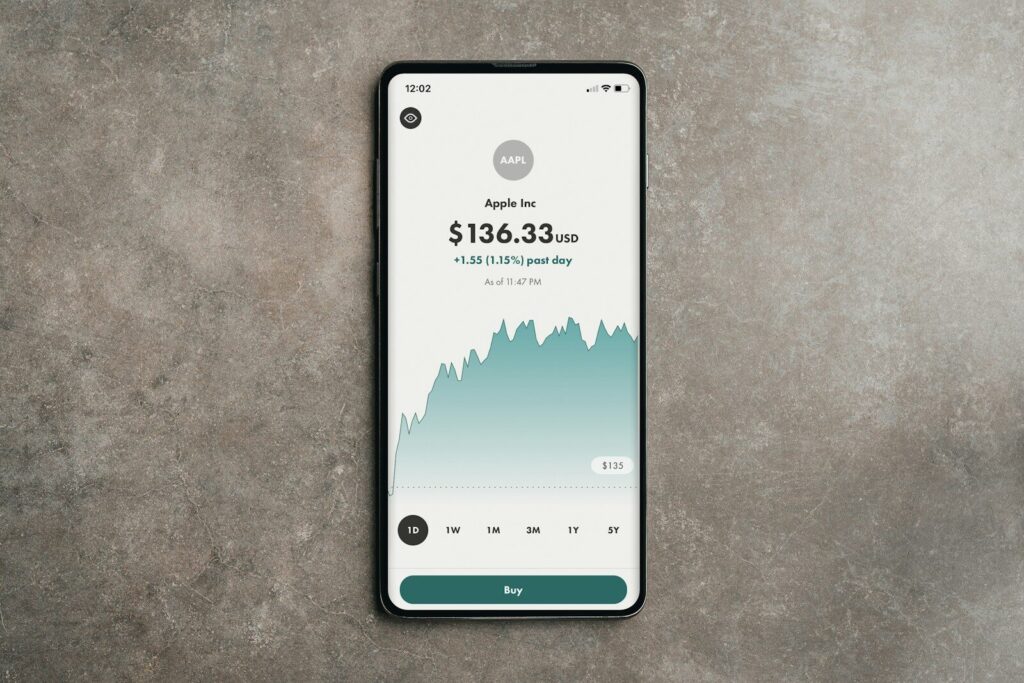
Fractional shares let you buy part of a share instead of a whole one. FINRA explains that fractional shares let smaller investors access higher-priced stocks and ETFs without paying the full cost of a share. If a share costs $500, for example, $25 would buy you 0.05 of it.
Availability varies by brokerage. You also generally can’t transfer fractional shares to another brokerage, so you may need to sell them first if you switch.
Watch for Investment Minimums
Some mutual funds require a minimum initial investment, while ETFs can usually be bought for the price of one share, or less if your broker offers fractional shares. Check the minimum before you choose a fund.
What to Sort Out Before You Invest
Starting small is easy. Starting at the right time matters more.
1. Build an Emergency Fund First
Investments can drop in value right when you need cash. A cash buffer means you won’t be forced to sell at a loss to cover a car repair or an income gap. If you’re not sure how much to keep on hand, read our guide on how much money you should keep in your checking account.
2. Pay Down High-Interest Debt
Credit card debt is expensive. The Federal Reserve’s latest consumer credit data shows the average rate on credit card accounts charged interest was 22.15% in the second quarter of 2026. Few investments can reliably beat that, so clearing these balances is often the smarter first move.
3. Get Any Employer Match
If your employer matches 401(k) contributions, try to contribute at least enough to get the full match. It’s part of your compensation, and skipping it means leaving money on the table.
Saving Versus Investing: Know the Difference
Saving is for money you’ll need soon. Investing is for goals that are at least several years away, which gives your money time to recover from market dips.
If you’ll need the money within the next few years, such as for a down payment, keep it in savings. If you’re weighing whether property belongs in your long-term plans, see whether buying a home is still a good investment.

How to Start Investing With Little Money
Investing for beginners doesn’t need to be complicated. Once your foundations are in place, start here.
- Choose an account. A workplace 401(k) or an IRA offers tax advantages for retirement savings. The IRS set the 2026 IRA contribution limit at $7,500. A regular brokerage account gives you more flexibility for other goals.
- Pick simple investments. Some of the best investments for beginners are broad index funds or ETFs, which spread your money across many companies. If terms like “expense ratio” lose you, start with the investing terms everyone pretends to understand.
- Automate small contributions. A regular transfer, even $25 or $50 a month, builds the habit and takes the guesswork out of timing.
- Match your risk to your timeline. A beginner investment portfolio should fit when you’ll need the money and how comfortable you are with ups and downs. Learn how to tell if an investment is too risky.
Common Beginner Mistakes to Avoid
- Waiting for the “perfect” amount. Small, regular contributions give your money more time to grow.
- Panicking during downturns. Before you sell, read whether you should keep investing when the market falls.
- Pausing retirement contributions to free up cash. It can feel harmless, but it’s worth knowing what happens if you pause retirement contributions.
- Chasing hot tips. A viral stock pick isn’t an investment strategy.
Final Thoughts
You don’t need a large sum to start investing. Thanks to fractional shares and low-minimum funds, a small amount is often enough to begin. What matters more is being ready. Build an emergency fund, tackle high-interest debt, take any employer match, and only invest money you won’t need for several years.
Start with what you can afford, keep it simple, and add to it regularly. Consistency will do more for you than the size of your first deposit.