
Who Picks Up The Dinner Tab — Parents Or Grown Kids?

There’s a weird shift that happens when your kid turns 18. One minute, you’re mushing their vegetables and cutting their grapes in quarters, and the next, you’re side-eyeing the dinner check, wondering: Wait… are they going to offer to pay? Should I let them? Do they have enough in their checking account to cover an appetizer and Diet Coke?

Welcome to the gray area of restaurant bill etiquette between parents and adult children — a surprisingly emotional and unspoken dance that hits differently once your baby isn’t a baby anymore.

The Traditional Answer: Parents Pay. Period.

For many families, especially in the U.S., it’s the norm for parents to foot the bill. This isn’t just out of love — it’s cultural. Parents are seen as providers, and even after the kids are grown, that mentality often sticks.

According to etiquette expert Diane Gottsman, “Parents typically continue to pay when dining with their adult children, especially if they extended the invitation.”

But — and it’s a huge but — there’s been a generational shift, and the rules are starting to blur.

Adulthood Costs More Now

Having a job doesn’t necessarily mean having spare money. Rent, groceries, insurance, utilities and student loans can consume most of a young adult’s paycheck. A Bankrate survey found that 27% of adults aged 23 or older currently receive or have previously received ongoing financial support from their parents.

That means parents covering dinner may have less to do with treating their grown child like a kid and more to do with understanding the current cost of living.

However, higher costs affect parents too. Those approaching retirement may be dealing with rising healthcare, insurance and household expenses.

10 us dollar bill and coins
Photo by Katie Harp

Enter: The Adult Child with a Job (and Venmo)

Once your kid is earning their own money, things change. They might want to treat you, or at least split the bill. And hey, that’s fair! After all, if you taught them how to manage money responsibly and they don’t mooch every meal… you’ve already won.

Plus, many Gen Z and millennial adults are actively offering to pay, sometimes even fighting their parents for the check (metaphorically, hopefully). Once adult children are earning their own money, treating their parents can feel like a small but meaningful role reversal.

Family Finances Matter

There’s no universal rule because every family has different financial dynamics. Maybe your parents are retired and on a tighter budget. Or maybe your 23-year-old just landed their dream job at Google and wants to flash their corporate card. It’s all about context.

Some good rules of thumb:

  • If you invite them out, you pay — regardless of age.
  • If you’re the parent and they’re still figuring out life, pick it up — and maybe send them home with leftovers.
  • If they offer, it’s okay to say yes — just don’t make it a test of their love or loyalty.

Honestly, money is weird. We’re taught to avoid talking about our finances, which is probably why so many of us end up doing the awkward fake reach for the check.

person holding black android smartphone
Photo by Tech Daily

Instead, try this:

“Hey, do you want to split this?”
“You’ve got it this time? Thanks! I’ll get the next one.”
“Let’s take turns — next dinner’s on me.”

That way, nobody’s left guessing — or silently calculating whether they can cover both dinner and this month’s electric bill.

The TikTok Factor

Yes, this issue has made it to TikTok. One viral video features a mom insisting on paying while her 20-something daughter tries to sneak her card to the waiter first. The comments? A hilarious mix of “LET HER PAY, MOM!” and “My mom would never let me.”

It’s become a digital-age rite of passage — your grown kid insisting they finally treat you. And for many parents, it’s emotional. It’s not just about the money — it’s a moment of pride, and perhaps some sadness, too.

Bottom Line – Do What Feels Right

There’s no rulebook for “who picks up the bill?” — the answer’s in your relationship.

Did they just land a job? Let them celebrate by treating you. Are they still hustling in grad school? Feed them like the ramen-deprived angel they are. Are you both financially stable? Alternate or go Dutch. Just talk about it, laugh about it, and don’t let pride or awkwardness get in the way of what matters — quality time together.

And if all else fails? Rock-paper-scissors should do the trick.

string(8308) "

There’s a weird shift that happens when your kid turns 18. One minute, you're mushing their vegetables and cutting their grapes in quarters, and the next, you’re side-eyeing the dinner check, wondering: Wait... are they going to offer to pay? Should I let them? Do they have enough in their checking account to cover an appetizer and Diet Coke?

Welcome to the gray area of restaurant bill etiquette between parents and adult children — a surprisingly emotional and unspoken dance that hits differently once your baby isn’t a baby anymore.

The Traditional Answer: Parents Pay. Period.

For many families, especially in the U.S., it’s the norm for parents to foot the bill. This isn't just out of love — it's cultural. Parents are seen as providers, and even after the kids are grown, that mentality often sticks.

According to etiquette expert Diane Gottsman, “Parents typically continue to pay when dining with their adult children, especially if they extended the invitation.”

But — and it’s a huge but — there’s been a generational shift, and the rules are starting to blur.

Adulthood Costs More Now

Having a job doesn’t necessarily mean having spare money. Rent, groceries, insurance, utilities and student loans can consume most of a young adult’s paycheck. A Bankrate survey found that 27% of adults aged 23 or older currently receive or have previously received ongoing financial support from their parents.

That means parents covering dinner may have less to do with treating their grown child like a kid and more to do with understanding the current cost of living.

However, higher costs affect parents too. Those approaching retirement may be dealing with rising healthcare, insurance and household expenses.

10 us dollar bill and coins
Photo by Katie Harp

Enter: The Adult Child with a Job (and Venmo)

Once your kid is earning their own money, things change. They might want to treat you, or at least split the bill. And hey, that’s fair! After all, if you taught them how to manage money responsibly and they don’t mooch every meal... you’ve already won.

Plus, many Gen Z and millennial adults are actively offering to pay, sometimes even fighting their parents for the check (metaphorically, hopefully). Once adult children are earning their own money, treating their parents can feel like a small but meaningful role reversal.

Family Finances Matter

There’s no universal rule because every family has different financial dynamics. Maybe your parents are retired and on a tighter budget. Or maybe your 23-year-old just landed their dream job at Google and wants to flash their corporate card. It’s all about context.

Some good rules of thumb:

  • If you invite them out, you pay — regardless of age.
  • If you’re the parent and they’re still figuring out life, pick it up — and maybe send them home with leftovers.
  • If they offer, it’s okay to say yes — just don’t make it a test of their love or loyalty.

Honestly, money is weird. We’re taught to avoid talking about our finances, which is probably why so many of us end up doing the awkward fake reach for the check.

person holding black android smartphone
Photo by Tech Daily

Instead, try this:

“Hey, do you want to split this?”
“You’ve got it this time? Thanks! I’ll get the next one.”
“Let’s take turns — next dinner’s on me.”

That way, nobody's left guessing — or silently calculating whether they can cover both dinner and this month's electric bill.

The TikTok Factor

Yes, this issue has made it to TikTok. One viral video features a mom insisting on paying while her 20-something daughter tries to sneak her card to the waiter first. The comments? A hilarious mix of “LET HER PAY, MOM!” and “My mom would never let me.”

It’s become a digital-age rite of passage — your grown kid insisting they finally treat you. And for many parents, it’s emotional. It’s not just about the money — it’s a moment of pride, and perhaps some sadness, too.

Bottom Line - Do What Feels Right

There’s no rulebook for “who picks up the bill?” — the answer’s in your relationship.

Did they just land a job? Let them celebrate by treating you. Are they still hustling in grad school? Feed them like the ramen-deprived angel they are. Are you both financially stable? Alternate or go Dutch. Just talk about it, laugh about it, and don’t let pride or awkwardness get in the way of what matters — quality time together.

And if all else fails? Rock-paper-scissors should do the trick.

"

The TRUTH About The Trad Wife Trend, Nara Smith, TikTok & More

Nara Smith, Lucky Blue Smith, and daughter Rumble Honey

Matthew Brookes / Oliver Peoples

Update: August 17th, 2026 TL;DR TikTok’s favourite tradwife has already welcomed her fourth child, settled into a new home, and continues to fuel the Internet’s debate around curated domesticity. Here’s what’s new with Nara Smith, why the “tradwife” trend is still evolving, and what it says about the appeal of traditional homemaking online in 2026.

What Is Beyoncé’s Net Worth?

Photo Credit: Instagram (Canva)

Now that she’s the fifth billionaire musician Updated: Dec 31st 2025 As of December 2025, Beyoncé’s official net worth is an estimated $1 billion, making her a rare musician to reach billionaire status. Forbes recently confirmed this milestone, noting that the combination of touring revenue, music catalog earnings, brand partnerships, and her business ventures pushed

Is Financial Infidelity Worse Than Regular Ol’ Cheating?

Photo by StockSnap for Pexels

Mention the word “infidelity” and the usual images are conjured up:  secret encounters in sordid motels, callers who hang up when the wrong person answers the phone, tears and harsh words when the truth comes out. A less dramatic (but increasingly common) form of betrayal is making waves: financial infidelity. What is financial infidelity? Financial

The Motherhood Penalty

Photo by Sai De Silva (Unsplash)

You Lose $20K Each Year Just For Being a Mom You may not know this, but there was a time when smoking was considered “liberated” behavior for women. There was a cigarette company Virginia Slims that was created specifically to attract female smokers during the bad old 1970s. The slogan was “You’ve come a long

Financial Red Flags To Watch Out For When Dating

Photo by Niko_Shogol for Pixabay

TL;DR: One of the biggest money red flags in dating? When your partner simply won’t talk about money. According to financial therapist Erika Wasserman, that’s the #1 issue to nail down if you want to know whether your potential future partner and your financial IQs are compatible. Why “Not Talking Money” Is More Than Awkward

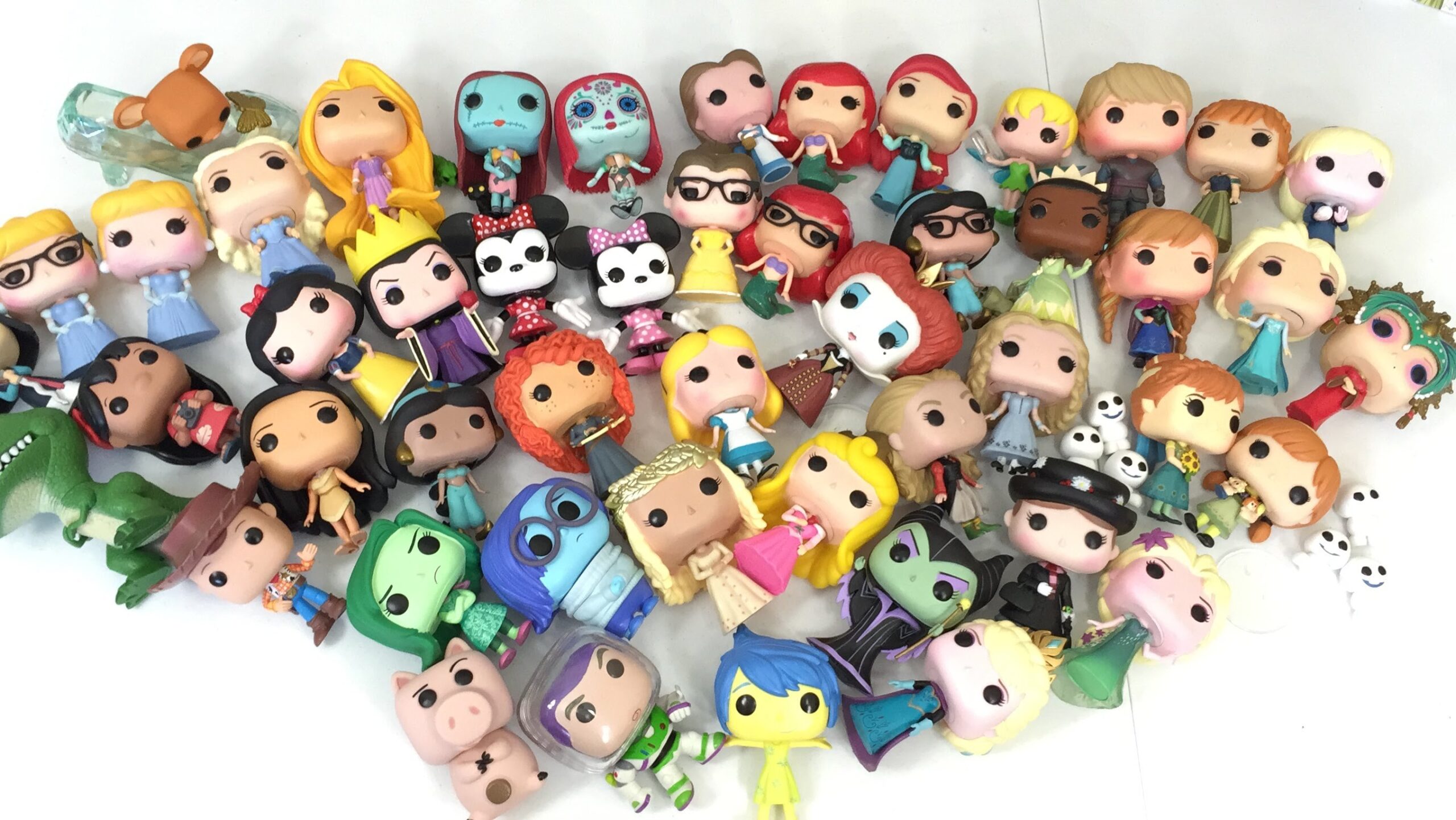
The Ultimate Guide to Selling Funko POPs

Funko

Even if you don’t know the first thing about collectables, you know Funko POPs. Funko Everyone does. They’re absolutely everywhere, from comic book shops to big box stores to movie theater concession stands. Many people think Funko POPs are cute, with their big black eyes and uniform features. Others think they’re creepy for pretty much

How to Get Out of Your Gym Membership Without Paying a Penalty

Gym Jumping Woman - Image by StockSnap for Pixabay

Trying to cancel your gym membership can be more tiring than actually attending that kickboxing class you keep skipping. Getting out of your gym contract can be so tough that people are going to great lengths to avoid paying any penalties. After going into debt living a lifestyle she couldn’t afford, this woman forged fake

What Is Kris Jenner’s Net Worth? 

Kris Jenner

The Momager May Be Worth More Than You Think… Kris Jenner is a pop culture icon for many reasons. While you may have watched her meteoric rise to fame on Keeping Up with the Kardashians — which originally debuted on E! — she’s actually been a fascinating figure in the public eye for ages.  As