Netflix’s $72B Warner Bros Deal – What It Means For Viewers

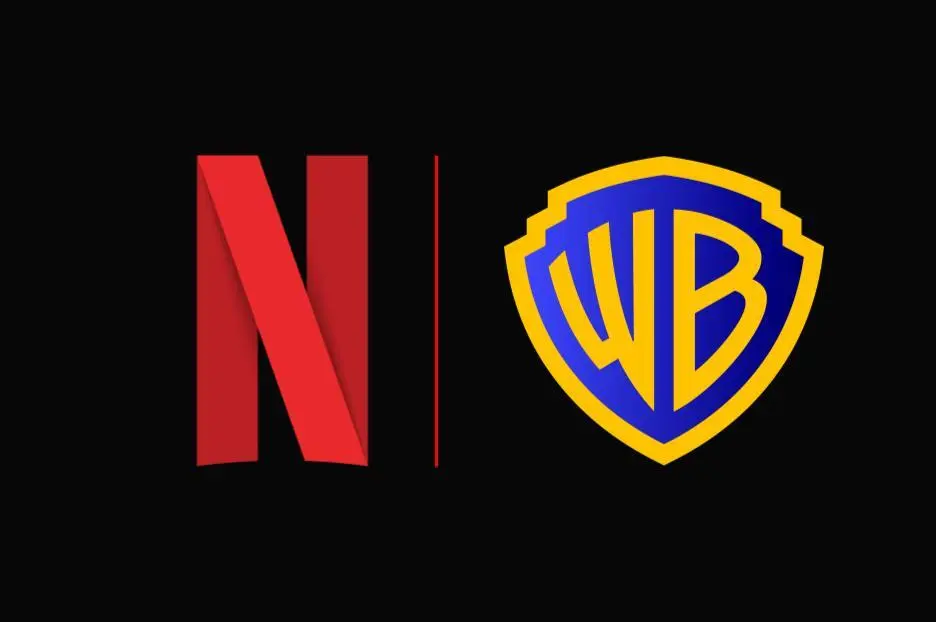
Platfrom Logos

After months of speculation, bidding wars, and Hollywood hand-wringing, Netflix has officially agreed to buy the film and streaming arms of Warner Bros Discovery for $72 billion. Yes, billion with a capital “b.” One of the biggest entertainment acquisitions in modern history, it instantly reshapes the streaming economy that millions pay into every month. 

The deal pulls together two massive content libraries. Netflix brings the global subscriber base and the algorithm that knows your persona better than your friends. And Warner Bros brings Harry Potter, Game of Thrones, DC films, Succession, Euphoria, The Last of Us, and decades of studio power. It is a consolidation on a scale that the streaming era hasn’t yet seen.

But there is one big question: Is this actually good for consumers, or are we about to see our entertainment budget skyrocket?

Why Did Netflix Want This? 

Executives from Netflix are positioning this as a “rare opportunity” to dominate the industry into the 22nd Century. Ted Sarandos, Netflix Co-Chief Executive Officer, brags that the combo will allow Netflix to produce more efficiently and eliminate “overlapping” tech and support costs, estimating $2–3 billion in savings once the merger is complete.

These savings sound great, but for who? Consumers or just shareholders… 

Right now, shareholders look like the clear winners. Netflix gains a full Hollywood studio, a gigantic library, and HBO’s halo of prestige. But analysts warn that integrating companies of this size will be a complicated endeavor. Warner Bros is a major studio, and folding it into Netflix could be costly, messy, and face regulatory pushback.

Is This What Consumers Want? Honestly… Maybe

If there’s a universal complaint about streaming, it’s this: There are too many platforms, and no one wants to juggle seven monthly bills.

Netflix, Max, Disney Plus, Prime Video, Hulu, Peacock, Paramount Plus — it’s hell. People are annoyed and increasingly selective. Subscription fatigue is real, and churn rates are on the rise.

So the notion of Netflix absorbing HBO Max and Warner Bros content may be… appealing, sort of? A singular powerhouse platform should be a breeze instead of ten fragmented channels.

But here comes the catch: larger platforms typically mean higher prices. We all expect the subscription costs to go up, not down. More content does not equal cheaper content. And regulators will be watching closely to see if Netflix gains too much pricing power.

Remember, Netflix already raised prices and cracked down on password sharing, which people still haven’t forgiven. So this won’t go down well with consumers. 

What About Smaller Streaming Platforms?

Every major consolidation puts smaller streaming platforms at risk. Without the backing of a legacy studio or tech giant, it tougher to compete for content, advertisers, and subscribers.

Platforms like Paramount Plus, Peacock, AMC+, Starz, and the niche streamers are now staring down a market where Netflix controls the biggest library and audience. That kind of scale squeezes the middle tier. Creators want stability, advertisers want deeper reach, viewers crave simplicity and affordability. Smaller platforms may be pushed into mergers, forced to license their libraries, or vanish entirely. And if that happens, expect ripple effects: smaller inventory pools, higher ad prices, and tougher competition for premium slots.

Is Consolidation the Solution? 

The argument lately is that there are too many services, originals and a ton of money flying out the window. This deal could start a correction, merging libraries into fewer, stronger platforms that behave a lot like old cable bundles.

But customers may end up paying cable prices — now sliced into monthly app fees. Another concern is creative output. Analysts expect significant reductions in TV and film production. When two giants merge, duplication disappears first. That means less risk-taking, fewer greenlights, and reliance on tired familiar franchises. We may get “more of what people love,” but less experimentation and innovation.

So… Is This a Win, a Loss, or Something in Between?

It depends on who you ask. For consumers, it could mean access to more content, but it may also come with higher subscription costs. For Netflix, it’s undeniably a win — a legacy-shaping acquisition that cements its position at the top of the streaming hierarchy. For smaller platforms, the picture is far less rosy. Consolidation at this scale puts real pressure on the services that don’t have the libraries, capital, or subscriber bases to compete.

But the bigger story is what this signals for the industry. Not merely one more corporate transaction, this marks the future of the entertainment industry. And if anything’s clear, it’s this: the streaming wars are winding down, and the consolidation era is officially underway.


string(7704) "

After months of speculation, bidding wars, and Hollywood hand-wringing, Netflix has officially agreed to buy the film and streaming arms of Warner Bros Discovery for $72 billion. Yes, billion with a capital “b.” One of the biggest entertainment acquisitions in modern history, it instantly reshapes the streaming economy that millions pay into every month. 

The deal pulls together two massive content libraries. Netflix brings the global subscriber base and the algorithm that knows your persona better than your friends. And Warner Bros brings Harry Potter, Game of Thrones, DC films, Succession, Euphoria, The Last of Us, and decades of studio power. It is a consolidation on a scale that the streaming era hasn’t yet seen.

But there is one big question: Is this actually good for consumers, or are we about to see our entertainment budget skyrocket?

https://www.youtube.com/watch?v=6BzG26iKh0o

Why Did Netflix Want This? 

Executives from Netflix are positioning this as a “rare opportunity” to dominate the industry into the 22nd Century. Ted Sarandos, Netflix Co-Chief Executive Officer, brags that the combo will allow Netflix to produce more efficiently and eliminate “overlapping” tech and support costs, estimating $2–3 billion in savings once the merger is complete.

These savings sound great, but for who? Consumers or just shareholders… 

Right now, shareholders look like the clear winners. Netflix gains a full Hollywood studio, a gigantic library, and HBO’s halo of prestige. But analysts warn that integrating companies of this size will be a complicated endeavor. Warner Bros is a major studio, and folding it into Netflix could be costly, messy, and face regulatory pushback.

Is This What Consumers Want? Honestly… Maybe

If there’s a universal complaint about streaming, it’s this: There are too many platforms, and no one wants to juggle seven monthly bills.

Netflix, Max, Disney Plus, Prime Video, Hulu, Peacock, Paramount Plus — it’s hell. People are annoyed and increasingly selective. Subscription fatigue is real, and churn rates are on the rise.

So the notion of Netflix absorbing HBO Max and Warner Bros content may be… appealing, sort of? A singular powerhouse platform should be a breeze instead of ten fragmented channels.

But here comes the catch: larger platforms typically mean higher prices. We all expect the subscription costs to go up, not down. More content does not equal cheaper content. And regulators will be watching closely to see if Netflix gains too much pricing power.

Remember, Netflix already raised prices and cracked down on password sharing, which people still haven’t forgiven. So this won’t go down well with consumers. 

What About Smaller Streaming Platforms?

Every major consolidation puts smaller streaming platforms at risk. Without the backing of a legacy studio or tech giant, it tougher to compete for content, advertisers, and subscribers.

Platforms like Paramount Plus, Peacock, AMC+, Starz, and the niche streamers are now staring down a market where Netflix controls the biggest library and audience. That kind of scale squeezes the middle tier. Creators want stability, advertisers want deeper reach, viewers crave simplicity and affordability. Smaller platforms may be pushed into mergers, forced to license their libraries, or vanish entirely. And if that happens, expect ripple effects: smaller inventory pools, higher ad prices, and tougher competition for premium slots.

Is Consolidation the Solution? 

The argument lately is that there are too many services, originals and a ton of money flying out the window. This deal could start a correction, merging libraries into fewer, stronger platforms that behave a lot like old cable bundles.

But customers may end up paying cable prices — now sliced into monthly app fees. Another concern is creative output. Analysts expect significant reductions in TV and film production. When two giants merge, duplication disappears first. That means less risk-taking, fewer greenlights, and reliance on tired familiar franchises. We may get “more of what people love,” but less experimentation and innovation.

So… Is This a Win, a Loss, or Something in Between?

It depends on who you ask. For consumers, it could mean access to more content, but it may also come with higher subscription costs. For Netflix, it’s undeniably a win — a legacy-shaping acquisition that cements its position at the top of the streaming hierarchy. For smaller platforms, the picture is far less rosy. Consolidation at this scale puts real pressure on the services that don’t have the libraries, capital, or subscriber bases to compete.

But the bigger story is what this signals for the industry. Not merely one more corporate transaction, this marks the future of the entertainment industry. And if anything’s clear, it’s this: the streaming wars are winding down, and the consolidation era is officially underway.

"

Is Target Still the Worst Store to Shoplift From?

Retail Stores Sales, Newport, USA - 23 Nov 2018 John Minchillo/AP/REX/Shutterstock

Updated: November 20th, 2025 Short answer: Yup — if you were hypothetically considering it. The longer answer: Yes – and here’s how it stacks up. Back in 2025, the folks at Paypath declared Target the ultimate no-go for would-be shoplifters. Their argument: Target doesn’t just take loss prevention seriously, it basically owns it — with

How to Get Out of Your Gym Membership Without Paying a Penalty

Gym Jumping Woman - Image by StockSnap for Pixabay

Trying to cancel your gym membership can be more tiring than actually attending that kickboxing class you keep skipping. Getting out of your gym contract can be so tough that people are going to great lengths to avoid paying any penalties. After going into debt living a lifestyle she couldn’t afford, this woman forged fake

What Is Kris Jenner’s Net Worth? 

Kris Jenner

The Momager May Be Worth More Than You Think… Kris Jenner is a pop culture icon for many reasons. While you may have watched her meteoric rise to fame on Keeping Up with the Kardashians — which originally debuted on E! — she’s actually been a fascinating figure in the public eye for ages.  As

What Is Taylor Swift’s Net Worth? 

Taylor Swift for "The Tortured Poet's Department"

Taylor Swift is a megastar singer-songwriter known for her narrative songwriting, catchy pop tunes, and versatility across genres like country, pop, and indie folk. She breaks every music record with ease, partially thanks to her die-hard Swiftie fans who follow her with vigor and buy out every single show. And with Taylor Swift’s net worth

Considering A Microwedding? Here’s How To Plan Yours

Microweddings are the next hottest trend.

Traditional weddings can be incredibly stressful, not to mention super pricey – many newlyweds couldn’t even buy a house with that money. What’s supposed to be the happiest day of your life can often feel like an endless quest for absolute perfection – almost as if the ceremony doesn’t come off flawlessly, the marriage itself

Living la Vida Frugal – Spend Less With Frugal Living

Tiny Home Image by Clay Banks_Unsplash

Everyone says the economy’s healthier than ever, but some of us still find it necessary to make that paycheck stretch…and stretch…and stretch. The better we understand our spending habits, the better we can manage them. Living frugally can benefit you in many ways. You’ll grow more self-reliant, creative, and resourceful as you learn to make

Spring Clean Your Personal Debt

Photo by Miha Rekar for Unsplash

Spring is in the air — and while you’re clearing out closets and scrubbing the back corners of the kitchen drawers, why not do a deep clean on something that really weighs you down? We’re talking about debt. Yep, those sneaky credit card balances, student loans, Buy Now Pay Later plans, and subscriptions that keep

Save BIG With The ETC Thrifting Method

Photo by Jamaal Cooks for Unsplash

Attention fellow thrifters! Raise your hand if you’ve ever experienced buyer’s remorse over some of your past secondhand shopping. *Raises both hands, high.*  One of the many benefits when it comes to thrifting vs. shopping high-end retail, is that it saves you a ton. With this in mind, it’s easy to get carried away with