
How to stay motivated to save money? Set specific goals

If you have disposable income, saving some of that money is always a good thing to do. Your personal savings can become a fallback for sudden emergency expenses. However, this abstract cost that might never come probably isn’t enough to convince you to keep saving consistently. Instead of making the reason negative, turn it into a positive personal goal. This will keep you on top of regularly saving and looking forward to the day that you can spend that money.


It can be hard to reel in your constant spending, especially if you enjoy going out on the weekends or constantly buying books for your collection. If you still want to spend a lot of your income every month, just set your goal at saving a specific percentage of your income. Ten percent is the recommended amount, but this can be as small or as big as you want. Once you’ve sent your monthly percentage to savings, you can spend the rest of your money guilt free on whatever you like.

If you would like to save a little more, then maybe setting a small goal for your money is a good idea. For example, your goal could be that once you’ve saved $600, you can spend $100 of that as a treat to yourself. This could be on new clothes, a concert, a new e-reader, or a special night out with your friends. It doesn’t matter what it is. Just make sure it’s a small reward for your disciplined saving. This way, you’ll be pleased with yourself for putting more money in your savings. It means you’ll have more to treat yourself with very soon.

Now, let’s say you want to save up for something big like an international vacation or a brand-new laptop. For these kinds of goals, the time needed to save enough will drastically increase from the small goals. However, if you’re patient, these can have big pay offs. Depending on your financial situation, it might make sense to set a slightly larger percentage of your income to save. Saving 15 or 20 percent of your income should still leave you enough money for bills and fun on a regular basis. No need to cancel all of your social appointments because you’re saving up for a trip in the future. Now, you’ll be completely happy to send your money to your savings account knowing that your big pay off will be just a little sooner.

If you’d rather see your dividends even further in the future, you could save up money for investments. Instead of going on a big trip, you could save enough to buy a decent amount of stock in a successful company. Or you could put this money toward a retirement savings account. Or maybe you’re saving money for your future home. Whatever your goal, just know that this will take much longer to pay off. If you care more about assets than a weekend out or a nice vacation, this plan might be the best for you. While you might be suffering a little now, your future self will probably thank you.


string(3222) "

If you have disposable income, saving some of that money is always a good thing to do. Your personal savings can become a fallback for sudden emergency expenses. However, this abstract cost that might never come probably isn't enough to convince you to keep saving consistently. Instead of making the reason negative, turn it into a positive personal goal. This will keep you on top of regularly saving and looking forward to the day that you can spend that money.


It can be hard to reel in your constant spending, especially if you enjoy going out on the weekends or constantly buying books for your collection. If you still want to spend a lot of your income every month, just set your goal at saving a specific percentage of your income. Ten percent is the recommended amount, but this can be as small or as big as you want. Once you've sent your monthly percentage to savings, you can spend the rest of your money guilt free on whatever you like.

If you would like to save a little more, then maybe setting a small goal for your money is a good idea. For example, your goal could be that once you've saved $600, you can spend $100 of that as a treat to yourself. This could be on new clothes, a concert, a new e-reader, or a special night out with your friends. It doesn't matter what it is. Just make sure it's a small reward for your disciplined saving. This way, you'll be pleased with yourself for putting more money in your savings. It means you'll have more to treat yourself with very soon.

Now, let's say you want to save up for something big like an international vacation or a brand-new laptop. For these kinds of goals, the time needed to save enough will drastically increase from the small goals. However, if you're patient, these can have big pay offs. Depending on your financial situation, it might make sense to set a slightly larger percentage of your income to save. Saving 15 or 20 percent of your income should still leave you enough money for bills and fun on a regular basis. No need to cancel all of your social appointments because you're saving up for a trip in the future. Now, you'll be completely happy to send your money to your savings account knowing that your big pay off will be just a little sooner.

If you'd rather see your dividends even further in the future, you could save up money for investments. Instead of going on a big trip, you could save enough to buy a decent amount of stock in a successful company. Or you could put this money toward a retirement savings account. Or maybe you're saving money for your future home. Whatever your goal, just know that this will take much longer to pay off. If you care more about assets than a weekend out or a nice vacation, this plan might be the best for you. While you might be suffering a little now, your future self will probably thank you.

"

Is Financial Infidelity Worse Than Regular Ol’ Cheating?

Photo by StockSnap for Pexels

Mention the word “infidelity” and the usual images are conjured up:  secret encounters in sordid motels, callers who hang up when the wrong person answers the phone, tears and harsh words when the truth comes out. A less dramatic (but increasingly common) form of betrayal is making waves: financial infidelity. What is financial infidelity? Financial

Financial Red Flags To Watch Out For When Dating

Photo by Niko_Shogol for Pixabay

TL;DR: One of the biggest money red flags in dating? When your partner simply won’t talk about money. According to financial therapist Erika Wasserman, that’s the #1 issue to nail down if you want to know whether your potential future partner and your financial IQs are compatible. Why “Not Talking Money” Is More Than Awkward

The TRUTH About The Trad Wife Trend

Nara Smith, Lucky Blue Smith, and daughter Rumble Honey

Matthew Brookes / Oliver Peoples

Update: November 7th, 2025 TL;DR TikTok’s favourite tradwife just had another baby, moved into a new house, and reignited the Internet’s gender-war discourse — again. Here’s what’s new with Nara Smith, why the “tradwife” trend still won’t die, and what it really says about 2025’s obsession with curated domesticity. The Tradwife Era Isn’t Over —

The Ultimate Guide to Selling Funko POPs

Funko

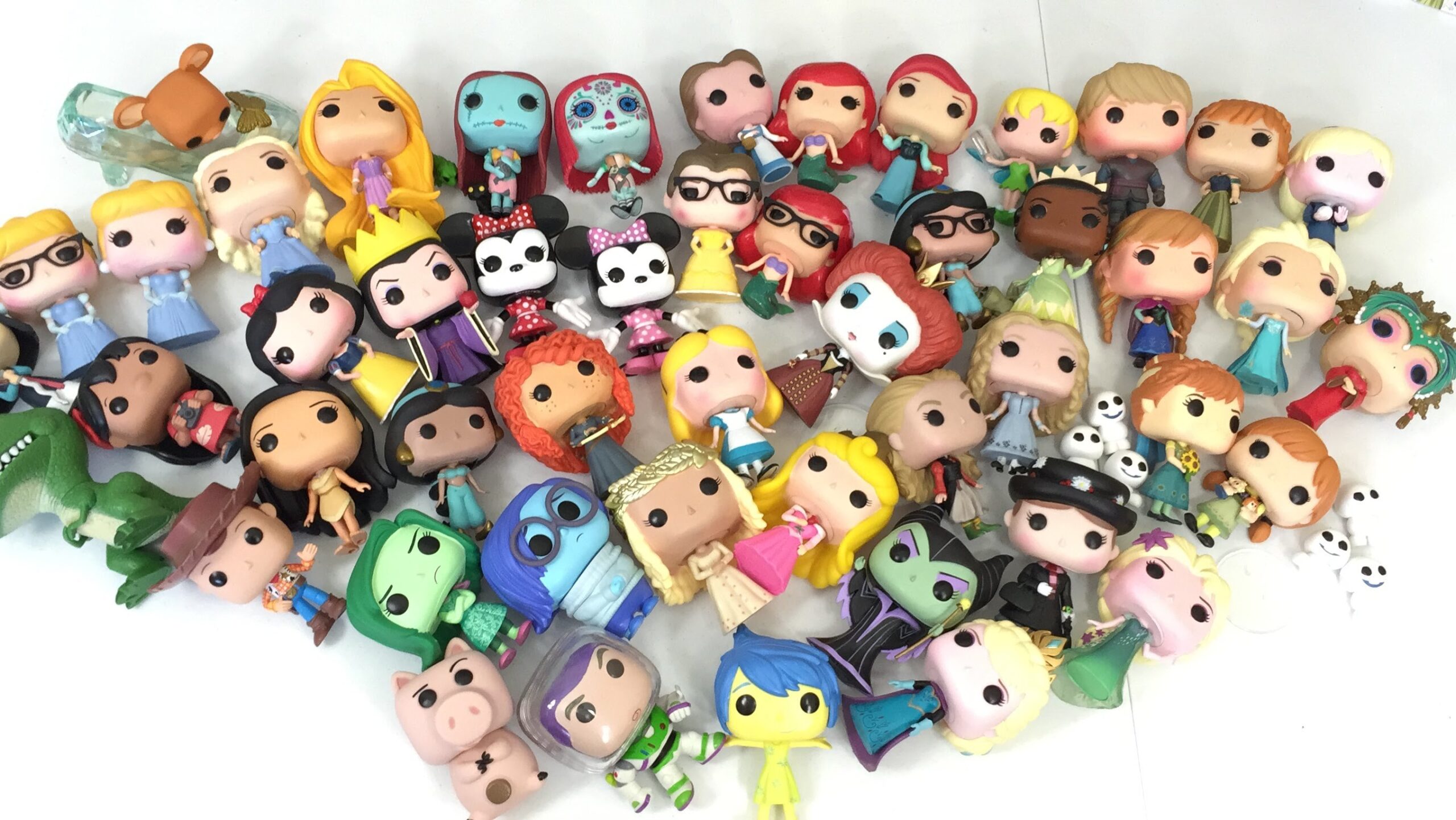
Even if you don’t know the first thing about collectables, you know Funko POPs. Funko Everyone does. They’re absolutely everywhere, from comic book shops to big box stores to movie theater concession stands. Many people think Funko POPs are cute, with their big black eyes and uniform features. Others think they’re creepy for pretty much

How to Get Out of Your Gym Membership Without Paying a Penalty

Gym Jumping Woman - Image by StockSnap for Pixabay

Trying to cancel your gym membership can be more tiring than actually attending that kickboxing class you keep skipping. Getting out of your gym contract can be so tough that people are going to great lengths to avoid paying any penalties. After going into debt living a lifestyle she couldn’t afford, this woman forged fake

What Is Kris Jenner’s Net Worth? 

Kris Jenner

The Momager May Be Worth More Than You Think… Kris Jenner is a pop culture icon for many reasons. While you may have watched her meteoric rise to fame on Keeping Up with the Kardashians — which originally debuted on E! — she’s actually been a fascinating figure in the public eye for ages.  As

Sure, AI Boosts Productivity – But It’s Tanking Employee Initiative

Image by beasternchen for Pixabay

AI’s in the workplace. Whether it’s auto-generated emails, chatbots, or predictive analytics, AI’s here to stay. Plain and simple. Plain, perhaps — but not simple. With its promises of greater efficiency and increased productivity, employers love AI. From the employees’ point of view, AI is a decidedly mixed blessing. But it’s killing workers’ motivation and

What Is Taylor Swift’s Net Worth? 

Taylor Swift for "The Tortured Poet's Department"

Taylor Swift is a megastar singer-songwriter known for her narrative songwriting, catchy pop tunes, and versatility across genres like country, pop, and indie folk. She breaks every music record with ease, partially thanks to her die-hard Swiftie fans who follow her with vigor and buy out every single show. And with Taylor Swift’s net worth