5 Digital Entertainment Options Changing How We Relax

Relaxation used to come with more structure. A television schedule. A movie theater visit. A planned night out. That rhythm has changed quietly over the last decade, almost without anyone announcing it. Entertainment now slips into smaller moments. A podcast during traffic. A game before bed. A series watched across three different devices over the course of a week.

What stands out is not only the convenience. It’s the control. People shape entertainment around their own habits now instead of adapting to fixed formats or schedules. 

Digital platforms have become less about distraction and more about atmosphere, mood, and escape. The relationship between technology and relaxation looks very different than it once did.

1. Streaming Services Transformed Passive Entertainment

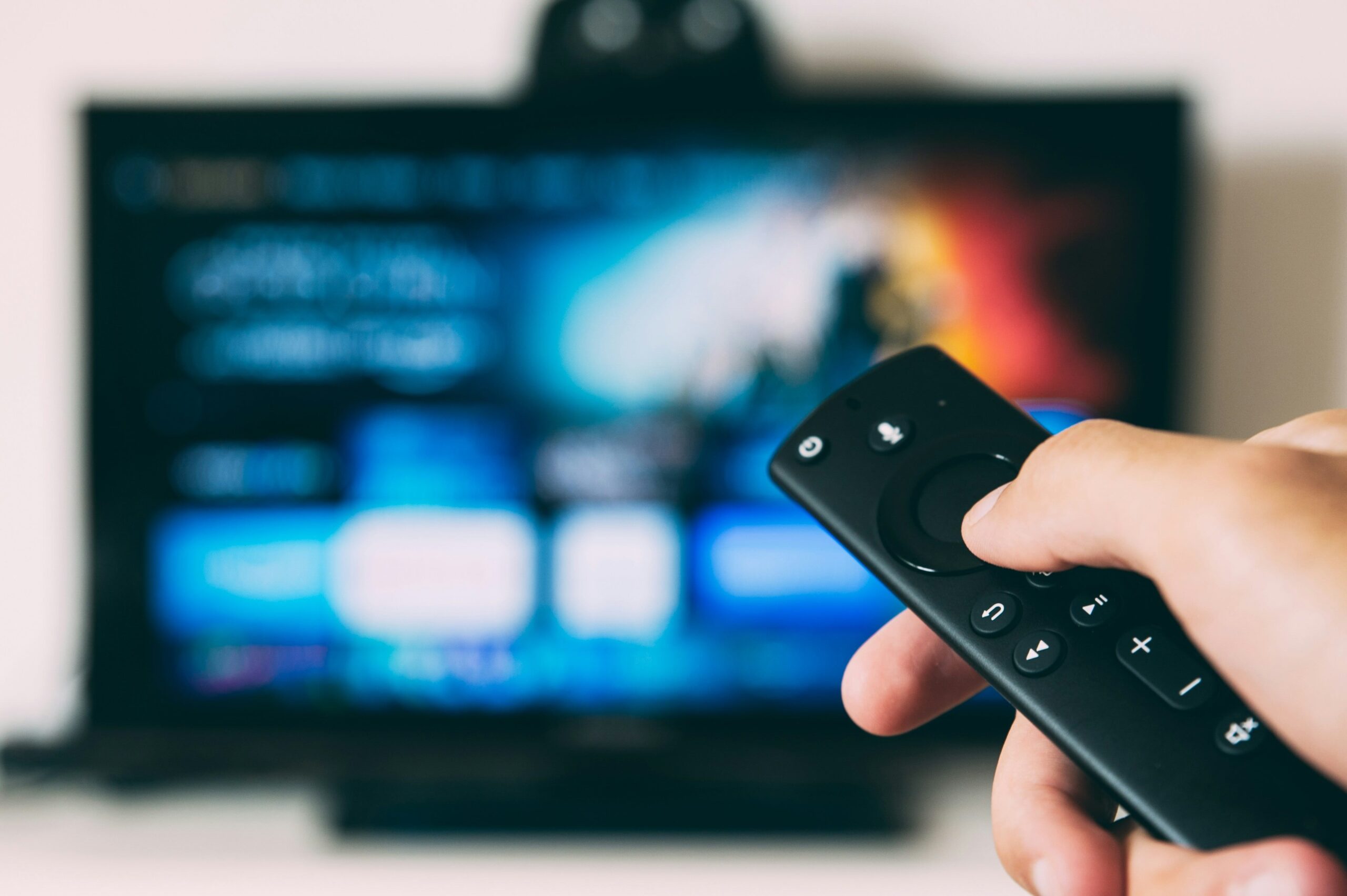
Streaming platforms changed viewing habits so completely that it’s hard to remember the old routines clearly. People once arranged evenings around programming schedules or recorded shows days in advance. Now entertainment waits patiently in the background, available whenever someone feels ready to disappear into it for an hour.

There’s something undeniably appealing about that kind of access. A person can move from documentaries to crime dramas to stand-up specials without leaving the same platform. The experience feels personal in a subtle way. That personalization includes streaming recommendations that have begun anticipating preferences before viewers consciously decide what they want.

The devices matter too. Someone starts a film on a television, continues it on a tablet later that evening, then finishes it on a phone while traveling. It sounds ordinary now because it’s become ordinary. 

Commercial interruptions fading into the background also changed the pacing. Stories breathe differently when they’re uninterrupted. Viewers settle in more deeply. Subscription models helped accelerate the shift because they removed much of the friction tied to traditional cable packages. At the same time, original programming keeps audiences curious. There’s always another release waiting somewhere in the queue.

2. Online Casinos Provide Executive Escape

For professionals carrying constant pressure from meetings, deadlines, and endless notifications, digital entertainment often needs to fit into smaller spaces of time. That’s partly why online casinos have become such a familiar option. Players don’t need to organize an evening around them. They log in when they feel like disconnecting for a while.

The convenience changes everything. A quick session during a lunch break feels very different from planning a trip to a physical casino. There’s no commute. No formality. Just immediate access through a phone, laptop, or tablet. That accessibility makes the experience feel less like an event and more like part of modern digital culture.

Platforms like FanDuel Casino reflect that shift clearly. Players move between games depending on mood, attention span, or available time. Some stay for a few minutes. Others linger longer because the interactive element creates a temporary break from routines that rarely slow down on their own.

Social features also add another layer. Conversations, shared experiences, familiar usernames. They create a sense of connection inside an otherwise solitary digital space. For busy professionals especially, that balance between convenience and engagement carries real appeal.

3. Virtual Reality Creates Immersive Experiences

Virtual reality still feels slightly futuristic even as it becomes more common in homes. Maybe that’s because the experience can feel strangely convincing once the headset goes on. A living room disappears. Suddenly someone is standing inside a digital landscape, reacting instinctively to spaces that do not physically exist.

Traditional entertainment usually asks audiences to observe. VR asks them to participate. That distinction matters. Whether players are exploring fantasy environments, solving puzzles, or interacting with other users in shared spaces, the level of immersion changes how relaxation feels. Attention narrows. Outside distractions fade for a while.

The technology itself has also become less intimidating. Headsets are more accessible than they were a few years ago, and content libraries continue expanding into areas beyond gaming. Interactive storytelling, guided meditation experiences, and simulated travel environments. The range keeps widening in interesting ways.

4. Podcasts and Audio Entertainment Expand

Audio entertainment has settled naturally into everyday life because it asks so little from the listener physically. People can absorb stories or interviews while driving, exercising, or lying awake late at night. The flexibility gives podcasts and audiobooks an unusually intimate quality.

There’s also a human closeness to audio that visual media sometimes struggles to replicate. A familiar voice becomes part of someone’s routine. Listeners develop quiet loyalty to hosts they have never met. Over time, these programs start feeling less like content and more like company. This is also the reason why the public has become very aware of the growing challenges that AI presents to the music industry, especially when it comes to writing music and creating audio content. 

However, it’s widely anticipated that there will always be a demand for human-driven content over AI derivatives. 

The variety available now is enormous. Comedy, investigative journalism, wellness discussions, serialized fiction, long-form interviews. Nearly every niche interest has found an audience somewhere. Recommendation systems help, though many listeners still discover favorite shows accidentally through friends or passing mentions.

Audio entertainment fits around life instead of demanding complete attention from it. Someone pauses an episode halfway through the day and returns hours later without losing momentum. The experience feels unforced. Almost instinctive sometimes.

5. Gaming Platforms Foster Interactive Relaxation

Gaming platforms no longer revolve entirely around competition or high-pressure performance. A noticeable shift has taken place over recent years. Many players now gravitate toward experiences built around creativity, exploration, or collaboration instead of constant intensity.

Some games offer little more than peaceful environments and open-ended tasks. Building cities. Solving puzzles. Exploring landscapes without urgency. Those quieter experiences resonate because they provide relief from the pace many people already deal with throughout the day.

The social side of gaming continues evolving as well. Friends connect across consoles, computers, and mobile devices without thinking much about technical barriers anymore. Shared gameplay becomes another form of conversation. Not always dramatic. Sometimes people simply spend time together inside the same digital space.

Accessibility has expanded, too. Free-to-play titles lowered entry barriers, while broader accessibility settings opened experiences to wider audiences with different abilities and preferences.

Where Digital Entertainment Goes From Here

The larger story underneath all these platforms is really about adaptability. Entertainment no longer arrives in rigid formats tied to one place or one schedule. 

What happens next will probably feel even more personal and immersive. Still, the core appeal remains surprisingly simple. People want experiences that help them step away from pressure for a while, even briefly. Digital entertainment keeps finding new ways to make that possible, often in moments users barely notice at first.


string(9560) "

Relaxation used to come with more structure. A television schedule. A movie theater visit. A planned night out. That rhythm has changed quietly over the last decade, almost without anyone announcing it. Entertainment now slips into smaller moments. A podcast during traffic. A game before bed. A series watched across three different devices over the course of a week.

What stands out is not only the convenience. It’s the control. People shape entertainment around their own habits now instead of adapting to fixed formats or schedules. 

Digital platforms have become less about distraction and more about atmosphere, mood, and escape. The relationship between technology and relaxation looks very different than it once did.

1. Streaming Services Transformed Passive Entertainment

Streaming platforms changed viewing habits so completely that it’s hard to remember the old routines clearly. People once arranged evenings around programming schedules or recorded shows days in advance. Now entertainment waits patiently in the background, available whenever someone feels ready to disappear into it for an hour.

There’s something undeniably appealing about that kind of access. A person can move from documentaries to crime dramas to stand-up specials without leaving the same platform. The experience feels personal in a subtle way. That personalization includes streaming recommendations that have begun anticipating preferences before viewers consciously decide what they want.

The devices matter too. Someone starts a film on a television, continues it on a tablet later that evening, then finishes it on a phone while traveling. It sounds ordinary now because it’s become ordinary. 

Commercial interruptions fading into the background also changed the pacing. Stories breathe differently when they’re uninterrupted. Viewers settle in more deeply. Subscription models helped accelerate the shift because they removed much of the friction tied to traditional cable packages. At the same time, original programming keeps audiences curious. There’s always another release waiting somewhere in the queue.

2. Online Casinos Provide Executive Escape

For professionals carrying constant pressure from meetings, deadlines, and endless notifications, digital entertainment often needs to fit into smaller spaces of time. That’s partly why online casinos have become such a familiar option. Players don’t need to organize an evening around them. They log in when they feel like disconnecting for a while.

The convenience changes everything. A quick session during a lunch break feels very different from planning a trip to a physical casino. There’s no commute. No formality. Just immediate access through a phone, laptop, or tablet. That accessibility makes the experience feel less like an event and more like part of modern digital culture.

Platforms like FanDuel Casino reflect that shift clearly. Players move between games depending on mood, attention span, or available time. Some stay for a few minutes. Others linger longer because the interactive element creates a temporary break from routines that rarely slow down on their own.

Social features also add another layer. Conversations, shared experiences, familiar usernames. They create a sense of connection inside an otherwise solitary digital space. For busy professionals especially, that balance between convenience and engagement carries real appeal.

3. Virtual Reality Creates Immersive Experiences

Virtual reality still feels slightly futuristic even as it becomes more common in homes. Maybe that’s because the experience can feel strangely convincing once the headset goes on. A living room disappears. Suddenly someone is standing inside a digital landscape, reacting instinctively to spaces that do not physically exist.

Traditional entertainment usually asks audiences to observe. VR asks them to participate. That distinction matters. Whether players are exploring fantasy environments, solving puzzles, or interacting with other users in shared spaces, the level of immersion changes how relaxation feels. Attention narrows. Outside distractions fade for a while.

The technology itself has also become less intimidating. Headsets are more accessible than they were a few years ago, and content libraries continue expanding into areas beyond gaming. Interactive storytelling, guided meditation experiences, and simulated travel environments. The range keeps widening in interesting ways.

4. Podcasts and Audio Entertainment Expand

Audio entertainment has settled naturally into everyday life because it asks so little from the listener physically. People can absorb stories or interviews while driving, exercising, or lying awake late at night. The flexibility gives podcasts and audiobooks an unusually intimate quality.

There’s also a human closeness to audio that visual media sometimes struggles to replicate. A familiar voice becomes part of someone’s routine. Listeners develop quiet loyalty to hosts they have never met. Over time, these programs start feeling less like content and more like company. This is also the reason why the public has become very aware of the growing challenges that AI presents to the music industry, especially when it comes to writing music and creating audio content. 

However, it’s widely anticipated that there will always be a demand for human-driven content over AI derivatives. 

The variety available now is enormous. Comedy, investigative journalism, wellness discussions, serialized fiction, long-form interviews. Nearly every niche interest has found an audience somewhere. Recommendation systems help, though many listeners still discover favorite shows accidentally through friends or passing mentions.

Audio entertainment fits around life instead of demanding complete attention from it. Someone pauses an episode halfway through the day and returns hours later without losing momentum. The experience feels unforced. Almost instinctive sometimes.

5. Gaming Platforms Foster Interactive Relaxation

Gaming platforms no longer revolve entirely around competition or high-pressure performance. A noticeable shift has taken place over recent years. Many players now gravitate toward experiences built around creativity, exploration, or collaboration instead of constant intensity.

Some games offer little more than peaceful environments and open-ended tasks. Building cities. Solving puzzles. Exploring landscapes without urgency. Those quieter experiences resonate because they provide relief from the pace many people already deal with throughout the day.

The social side of gaming continues evolving as well. Friends connect across consoles, computers, and mobile devices without thinking much about technical barriers anymore. Shared gameplay becomes another form of conversation. Not always dramatic. Sometimes people simply spend time together inside the same digital space.

Accessibility has expanded, too. Free-to-play titles lowered entry barriers, while broader accessibility settings opened experiences to wider audiences with different abilities and preferences.

Where Digital Entertainment Goes From Here

The larger story underneath all these platforms is really about adaptability. Entertainment no longer arrives in rigid formats tied to one place or one schedule. 

What happens next will probably feel even more personal and immersive. Still, the core appeal remains surprisingly simple. People want experiences that help them step away from pressure for a while, even briefly. Digital entertainment keeps finding new ways to make that possible, often in moments users barely notice at first.

"

The Ultimate Guide to Selling Funko POPs

Funko

Even if you don’t know the first thing about collectables, you know Funko POPs. Everyone does. They’re absolutely everywhere, from comic book shops to big box stores to movie theater concession stands. Many people think Funko POPs are cute, with their big black eyes and uniform features. Others think they’re creepy for pretty much the

The TRUTH About The Trad Wife Trend, Nara Smith, TikTok & More

Nara Smith, Lucky Blue Smith, and daughter Rumble Honey

Matthew Brookes / Oliver Peoples

Update: August 17th, 2026 TL;DR TikTok’s favourite tradwife has already welcomed her fourth child, settled into a new home, and continues to fuel the Internet’s debate around curated domesticity. Here’s what’s new with Nara Smith, why the “tradwife” trend is still evolving, and what it says about the appeal of traditional homemaking online in 2026.

Is Financial Infidelity Worse Than Regular Ol’ Cheating?

Photo by StockSnap for Pexels

Mention the word “infidelity” and the usual images are conjured up:  secret encounters in sordid motels, callers who hang up when the wrong person answers the phone, tears and harsh words when the truth comes out. A less dramatic (but increasingly common) form of betrayal is making waves: financial infidelity. What is financial infidelity? Financial

The Motherhood Penalty

Photo by Sai De Silva (Unsplash)

You Lose $20K Each Year Just For Being a Mom You may not know this, but there was a time when smoking was considered “liberated” behavior for women. There was a cigarette company Virginia Slims that was created specifically to attract female smokers during the bad old 1970s. The slogan was “You’ve come a long

Financial Red Flags To Watch Out For When Dating

Photo by Niko_Shogol for Pixabay

TL;DR: One of the biggest money red flags in dating? When your partner simply won’t talk about money. According to financial therapist Erika Wasserman, that’s the #1 issue to nail down if you want to know whether your potential future partner and your financial IQs are compatible. Why “Not Talking Money” Is More Than Awkward